How Much Exercise Does Your Dog Really Need? the best Vet Tips by Breed 🐕 5 types of exercise that pups love.
Exercise is one of the most important parts of your dog’s health and happiness — but not every dog needs the same type or amount of activity. How much exercise does your dog really need depends on age, breed, and even the weather.
Getting it right helps prevent injuries, burnout, and boredom while building a stronger bond with your pup.
🦴 Why Exercise Matters
Learning how much exercise does your dog really need can help prevent obesity and behavioral issues. Daily movement is essential to your dog’s body and mind. It helps:
- Maintain a healthy weight
- Strengthen joints and muscles
- Improve digestion and heart health
- Reduce anxiety and unwanted behaviors
- A balanced diet and exercise combination is key for healthy pups. Check our recommended dog healthy treat
Understanding how much exercise your dog really need helps prevent health issues and keeps energy levels balanced. Dogs who get consistent physical and mental stimulation are calmer, more balanced, and less likely to chew, bark, or dig out of frustration.
💡 Fun fact: Just 30 minutes of structured playtime a day can improve your dog’s overall mood and sleep quality.
🐾How Much Exercise Does Your Dog Really Need? (By Breed & Age)
Every breed has different stamina, so keep tracking how much exercise does your dog really need as they grow or age. It’s tricky. Here is some advice.
The general rule:
Most dogs need 30 minutes to 2 hours of daily activity — a mix of walks, playtime, and enrichment.
| Dog Type | Daily Exercise | Example Activities |
|---|---|---|
| Small breeds (Pugs, Frenchies) | 30–45 mins | Short walks, indoor play |
| Active breeds (Labradors, Huskies) | 1.5–2 hrs | Running, fetch, swimming |
| Seniors or low-energy dogs | 20–30 mins | Gentle walks, scent games |
| Puppies | 5 mins per month of age | Short bursts of play and training |
🐶 Tip: If your dog’s tail is wagging but they’re panting or slowing down, it’s time for a rest.
🎾 Types of Exercise Dogs Love,
Based on how much exercise does your dog really need
- 🚶♂️ Walks & Hikes
Walking is the foundation of every dog’s workout routine. It strengthens muscles and provides valuable mental stimulation from scents and sounds.
For safer, more enjoyable walks, explore the rugged Rocky Mountain Dog Leashes & Harnesses — designed for comfort, control, and durability.
🐕 Fetch & Tug
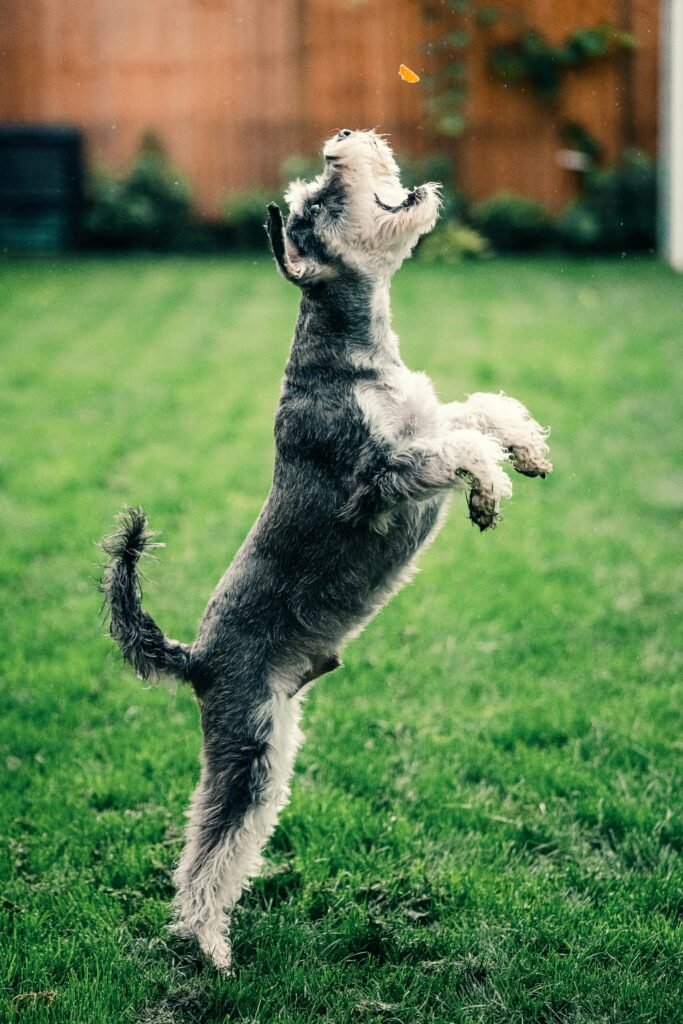
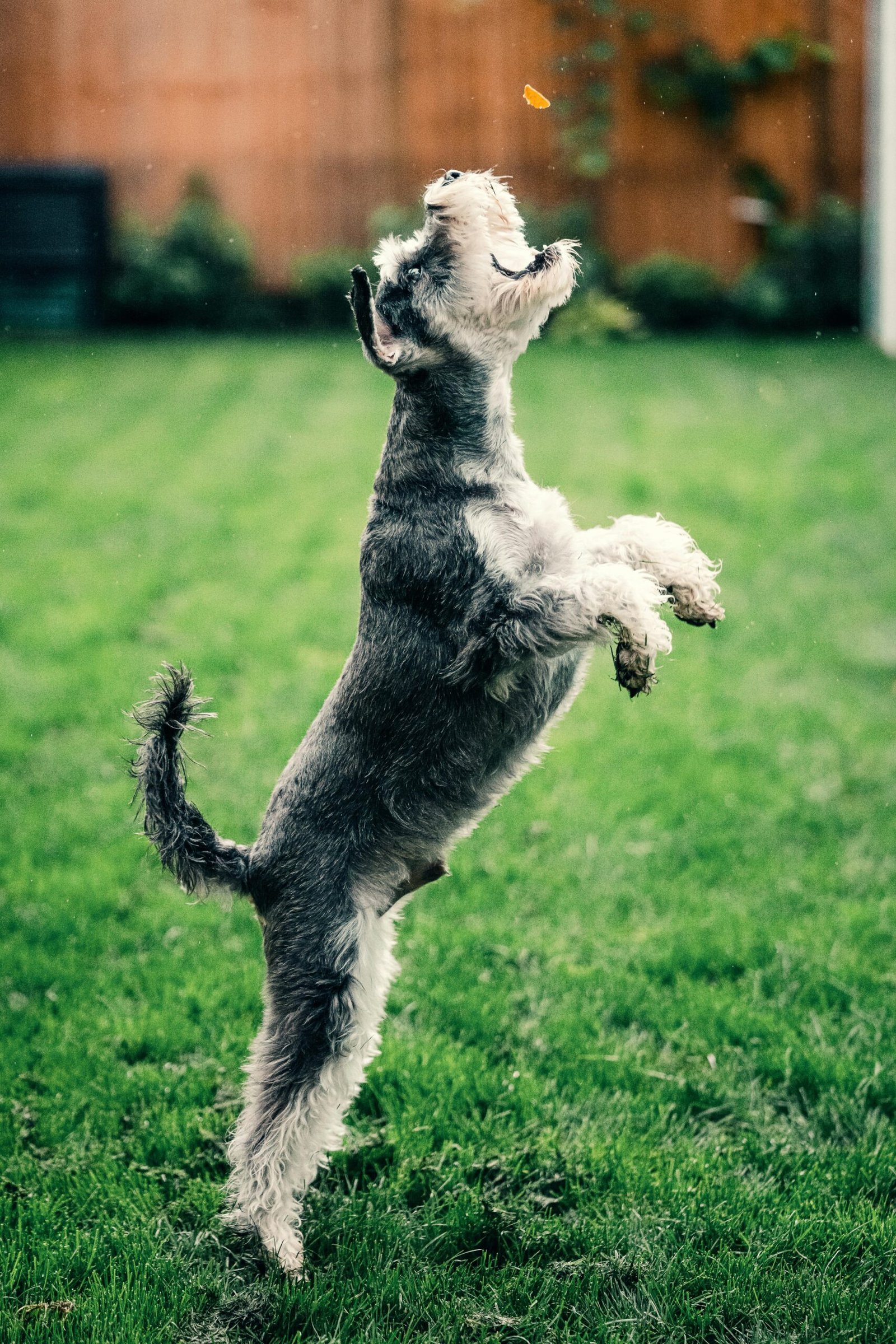
These classic games satisfy your dog’s natural chase instincts and improve agility.
Choose durable rubber toys or soft ropes to protect teeth and joints.
🎒 Outdoor Adventure Gear
Love hiking, running, or camping with your dog? Always use ergonomic, weather-resistant gear for support and safety.
Check out Rocky Mountain Dog Exercise Gear — harnesses, packs, and adventure accessories built for active pups.
🧩 Interactive Toys & Puzzle Games
Mental exercise is just as vital as physical play.
Puzzle feeders, snuffle mats, and obedience games keep dogs focused and happy, especially during rainy days.
🏊♂️ Swimming
Low-impact and joint-friendly, swimming is great for senior dogs or breeds prone to arthritis.
Always supervise and choose calm water spots or dog pools.
🌡️ Weather & Safety Tips
Different conditions call for different safety measures:
- Avoid long walks during hot midday hours.
- Always carry water and take shade breaks.
- Use paw balm or protective booties in cold weather.
- Keep reflective gear handy for early morning or night walks.
🐾 Wild Pooch Tip: A reflective harness not only improves visibility but also adds comfort for evening strolls.
💚 Balancing Physical & Mental Exercise
Physical and mental exercise work best together.
Simple “brain games” — like scent trails, hide-and-seek with treats, or obedience sessions — release just as much energy as running. A balanced combination between physical and mental exercise is key to discovering how much exercise does your dog really need
🧠 A tired mind = a happy dog.
Mix up your dog’s routine weekly to keep things exciting and prevent burnout.
🧠 When Your Dog Doesn’t Want to Exercise
If your dog suddenly becomes less active, don’t assume laziness.
A sudden drop in enthusiasm can signal pain, arthritis, or anxiety.
Check paws for injuries, review diet, and see your vet if symptoms persist.
✨ Summary: Build a Routine That Fits Your Dog
Every dog benefits from regular exercise — but the type and amount should match their energy level, breed, and lifestyle.
Mix walks, play, and brain games to keep your dog physically strong and mentally sharp.
Ultimately, knowing how much exercise your dog really need helps you create a routine that keeps your dog healthy and happy.
And remember, the best fitness plan is one you both enjoy. Whether it’s a mountain hike or a slow neighborhood stroll, consistency keeps tails wagging and hearts healthy. ❤️
🐾 Featured Resources
- Dog Exercise Gear Collection — Harnesses, packs, and adventure accessories built for active dogs.
- Leashes & Walking Essentials — Durable, ergonomic designs that make every walk easier and more enjoyable.
❓FAQ
Q: How much exercise does your dog really need?
Most adult dogs thrive with 30 minutes to 2 hours of daily activity, depending on breed and energy level.
Q: What is the best type of exercise for dogs?
A mix of walks, fetch, and mental play offers the most balanced routine.
Q: How can I tell if my dog is getting enough exercise?
Dogs who get the right amount of activity are calmer at home, sleep better, and show fewer destructive behaviors.