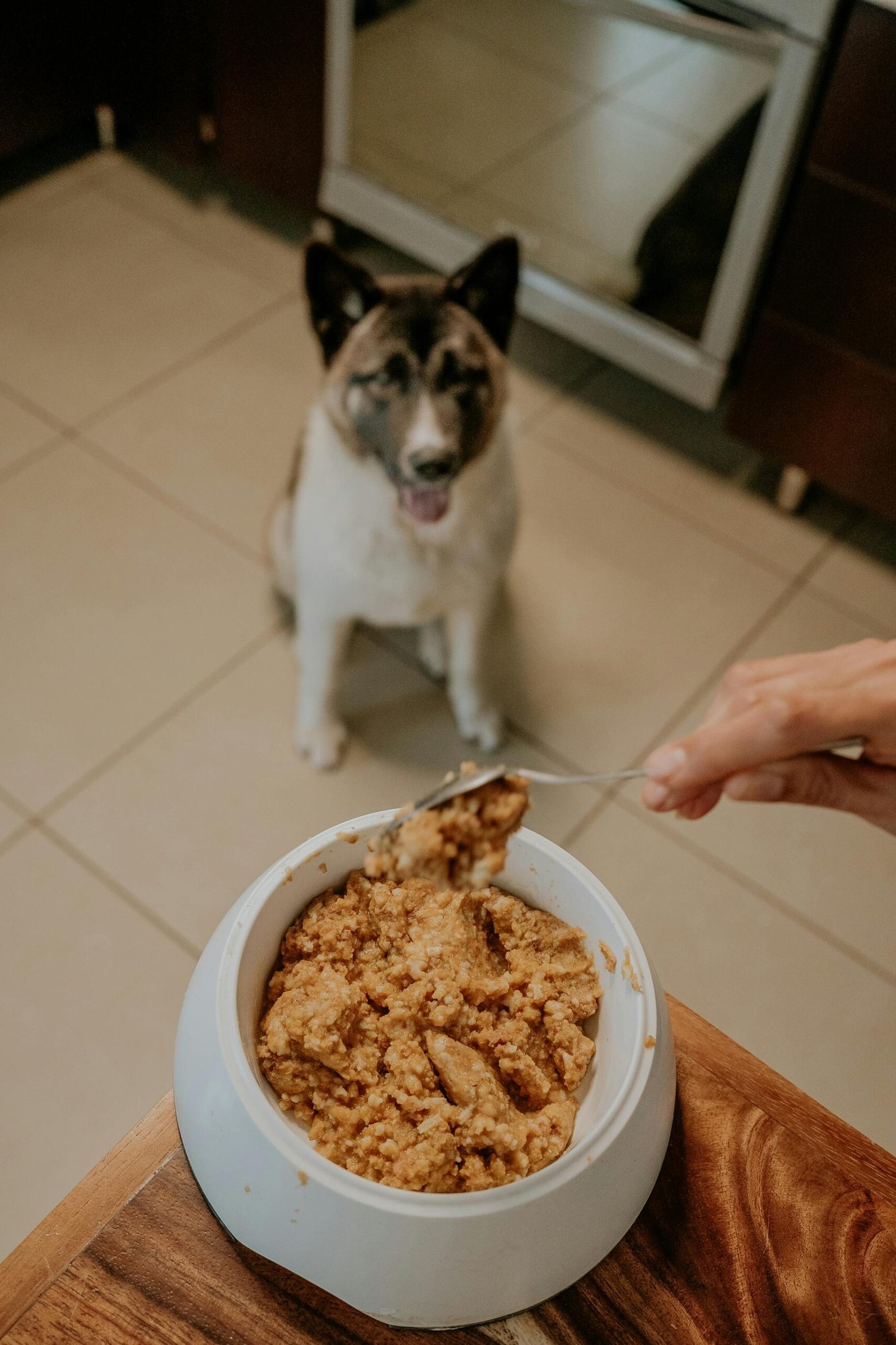
How to Choose the Safest Dog Food: A Practical, Evidence-Based Guide
How to Choose the Safest Dog Food: A Practical, Evidence-Based Guide
Last reviewed: Not yet independently reviewed for a current publication date. The product-specific links and claims in the original version were not sufficiently documented to verify current prices, formulas, recalls, or testing results.
Short answer: The safest dog food is generally one that is labeled complete and balanced for your dog’s life stage, provides appropriate calories for that individual dog, is made by a transparent manufacturer with suitable quality-control procedures, and is tolerated by your dog. A named meat as the first ingredient, a grain-free label, or a “fresh,” “natural,” or “premium” claim does not by itself establish safety or nutritional adequacy.
This guide explains how to assess dog food without treating marketing language or an ingredient list as a complete safety test. Dogs with medical conditions, persistent digestive problems, suspected allergies, or unusual nutritional needs should be evaluated by a veterinarian. A board-certified veterinary nutritionist may be appropriate for complex diets.
Affiliate disclosure: WildPooch may earn a commission when readers purchase through some links. A commission does not determine whether a food is complete and balanced, appropriate for a particular dog, or recommended by a veterinarian. No current product recommendation is made below unless the relevant formula, adequacy statement, calories, price, manufacturing information, and recall status have been verified.
What to check first: nutritional adequacy, life stage, and calories
Start with the nutritional adequacy statement, usually printed on the back or side of the package. In the United States, look for wording indicating that the food is complete and balanced for a stated life stage, such as growth, maintenance of adult dogs, or all life stages. The statement should identify the nutritional standard used, commonly the AAFCO Dog Food Nutrient Profiles or AAFCO feeding-trial procedures.
- Complete and balanced: Intended to provide all required nutrients when fed as directed for the stated life stage.
- Treat, topper, or intermittent food: Usually not intended to be a sole diet. Follow the package directions and keep extras nutritionally appropriate.
- All life stages: This is not automatically better. It must meet the needs of the life stages claimed, and the feeding directions may differ substantially for puppies and adults.
- Calorie content: Compare calories per cup, can, gram, or other stated unit. Portion sizes cannot be compared accurately without calorie information.
AAFCO guidance helps you identify a food’s intended nutritional role, but it is not a guarantee that a particular formula will suit every dog. Puppies, pregnant or nursing dogs, seniors, dogs that need to lose weight, and dogs with kidney, liver, gastrointestinal, urinary, or pancreatic disease may need individualized advice.
See AAFCO’s consumer explanation of pet-food labels and the WSAVA Global Nutrition Guidelines for additional questions to ask manufacturers and veterinarians.
How to interpret the ingredient list
Ingredient lists can help identify protein sources, grains, fats, supplements, and ingredients to which an individual dog reacts. They are not a simple quality ranking. Ingredients are listed by weight before processing, and ingredients with more water may appear higher than their dry-matter contribution would suggest. The list also does not show whether the finished food meets every nutrient requirement.
A named meat or fish near the beginning of the list may be a useful preference, but it does not prove that the food is safer, more digestible, or nutritionally superior. Likewise, corn, wheat, soy, animal by-products, and meals are not automatically harmful. Properly formulated foods can use them safely, and some meals are concentrated sources of nutrients.
Instead of automatically rejecting an ingredient, ask:
- Is the food complete and balanced for the intended dog?
- Are the protein and carbohydrate sources clearly identified enough for your dog’s needs?
- Does the manufacturer provide calories, feeding directions, contact information, and quality-control details?
- Does your dog maintain a healthy body condition and produce normally formed stools on the diet?
- Has your veterinarian recommended avoiding a particular ingredient or nutrient?
Is grain-free dog food safer or healthier?
Not necessarily. Grain-free food is not automatically healthier, and grains are not automatically fillers or unsafe ingredients. Dogs can digest properly cooked starches, and a food containing grains can be complete and balanced. A grain-free diet may be appropriate for an individual dog when recommended for a specific reason, but the label alone is not evidence of superior health.
The U.S. Food and Drug Administration has investigated reports of canine dilated cardiomyopathy associated with some diets, many of which had high proportions of peas, lentils, other pulses, and/or potatoes among the main ingredients. The evidence is complex and does not establish that every grain-free food, or any single ingredient, causes heart disease. Do not change a medically necessary diet without veterinary guidance. Read the FDA’s current information on diet-associated canine dilated cardiomyopathy.
For additional scientific context, see the peer-reviewed review by Freeman and colleagues on diet-associated dilated cardiomyopathy in dogs in the Journal of Veterinary Cardiology. Current evidence supports discussing a dog’s complete diet with a veterinarian rather than making a decision based on “grain-free” or “with grains” marketing alone.
Comparing kibble, wet, fresh, air-dried, freeze-dried, and raw food
Food format does not determine nutritional safety. Any format can be complete and balanced—or unsuitable as a sole diet—depending on its formulation, processing, storage, and handling.
| Format | Potential advantages | Important limitations and safety checks |
|---|---|---|
| Dry kibble | Convenient, generally easy to portion and store, and often less expensive per calorie. | Check calorie density, storage conditions, adequacy statement, and manufacturer quality controls. “Dry” does not mean every formula is nutritionally equivalent. |
| Wet or canned food | High moisture and often useful for dogs that prefer soft food. | After opening, refrigerate promptly and follow the label’s storage guidance. Compare calories by can, gram, or other stated unit. |
| Gently cooked or fresh food | May be convenient or appealing to some owners and dogs. | “Fresh” does not prove better nutrient absorption or health outcomes. Verify complete-and-balanced status, refrigeration requirements, shelf life, and calorie information. |
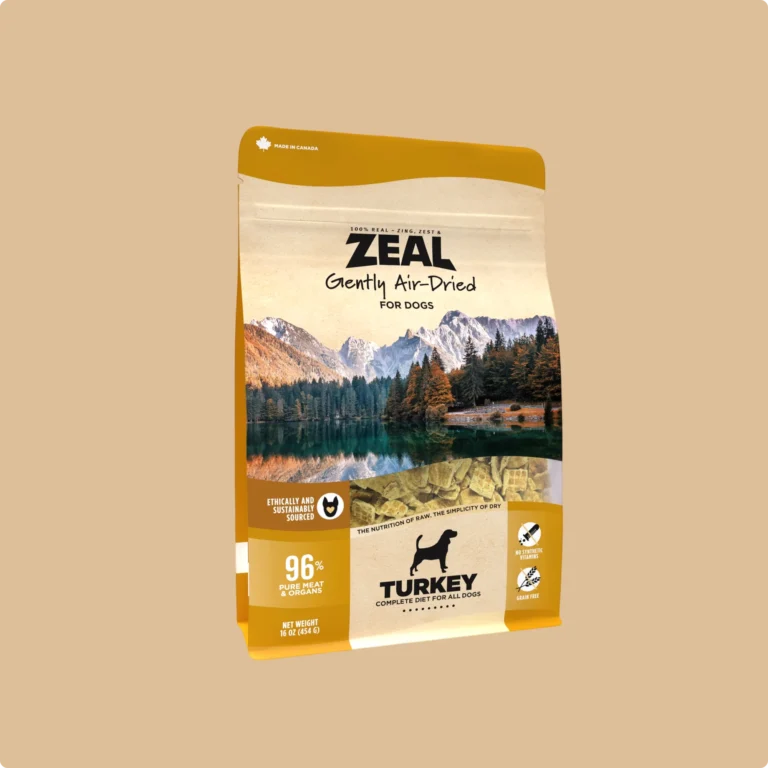
| Air-dried or freeze-dried food | Often lightweight and shelf-stable before opening. | Processing does not guarantee pathogen elimination or nutritional superiority. Rehydrate only as directed, wash hands and bowls, and verify whether the product is complete and balanced. |
| Raw food | Some owners choose it for preference or specific feeding philosophies. | Raw diets can carry pathogen, nutritional-imbalance, and bone-related risks. Freezing or freeze-drying may not eliminate all pathogens. Discuss the diet with a veterinarian and follow strict handling procedures. |
There is not enough evidence to call fresh, freeze-dried, air-dried, or raw food the universally “best” choice. For raw and minimally processed diets, review guidance from WSAVA on raw meat-based diets and the CDC’s pet-food safety guidance.
Manufacturing, recalls, and transparency checks
Before buying a new food, contact the manufacturer or check its website for:
- The company’s name, address, and a reliable consumer-service contact.
- Where the food is manufactured and whether production is conducted in company-owned or contracted facilities.
- Who formulates the food, such as a qualified animal nutritionist or veterinary nutritionist.
- Whether finished products are tested for nutrient content and relevant contaminants, and what quality-control steps are used.
- Whether the formula has undergone an AAFCO feeding trial or is formulated to meet AAFCO nutrient profiles.
- Clear lot codes, expiration dates, feeding directions, calorie information, and instructions for reporting a problem.
Check the FDA animal-food recalls and withdrawals page before purchase and again if your dog becomes ill. A lack of a listed recall is not proof that a product is risk-free, and a recall does not mean every product from that company is unsafe. Keep the original package and lot number if you need to report a problem.
Safe storage and food handling
- Store dry food in a cool, dry place, preferably in its original bag inside a clean, lidded container.
- Wash hands, utensils, and food bowls after handling wet, raw, freeze-dried, or rehydrated products.
- Refrigerate opened wet or fresh food promptly and follow the manufacturer’s time limits.
- Do not leave moist food at room temperature longer than the package or veterinary guidance allows.
- Discard food with an unusual odor, damaged packaging, mold, or signs of spoilage.
- Keep pet food and treats away from human food, young children, older adults, and people with weakened immune systems when raw products are involved.
How to transition to a new food
Unless a veterinarian instructs otherwise, transition gradually over about a week by increasing the new food while decreasing the old food. A slower transition may be appropriate for dogs with sensitive digestion. Measure portions, avoid adding several new treats at the same time, and monitor appetite, stool quality, vomiting, itching, and body weight.
Food allergies and intolerances cannot be diagnosed reliably from a marketing label or a short list of symptoms. A veterinarian may recommend a structured elimination diet. Do not substitute treats, supplements, or flavored medications during a prescribed elimination trial without asking first.
When to call a veterinarian
Contact a veterinarian promptly for repeated vomiting or diarrhea, blood or black stool, refusal to eat, marked lethargy, dehydration, abdominal pain, breathing difficulty, collapse, or sudden exercise intolerance. Arrange an appointment for persistent itching, recurrent ear or skin infections, ongoing loose stool, unexplained weight change, or a puppy that is not growing normally.
Dogs with kidney disease, pancreatitis, diabetes, urinary disease, liver disease, heart disease, cancer, or a history of food-responsive illness should not be placed on a new diet solely because of an online recommendation.
WildPooch review methodology and limitations
The original article described WildPooch products as “Reviewed & Tested” but did not provide named reviewers, laboratory reports, sample sizes, testing dates, product-level results, or a reproducible scoring rubric. Those claims have therefore been removed from this guide.
For a product to be presented as independently reviewed in a future update, WildPooch should document at least:
- The exact product name, formula, package size, lot or version, and date checked.
- The visible nutritional adequacy statement, calories, feeding directions, and intended life stage.
- Manufacturer responses about formulation, facility oversight, nutrient testing, pathogen controls, and recalls.
- Any laboratory or feeding-trial evidence, including the laboratory, method, sample information, and limitations.
- Price and cost-per-day calculations based on a stated dog size, calorie assumption, retailer, and date.
- The reviewer’s name, relevant credentials, conflicts of interest, and whether the product was purchased, provided, or sponsored.
- A clear explanation of what was not tested. A label review is not the same as a laboratory safety assessment or a veterinary recommendation.
Current review status: No product-level comparison is included here because the supplied material did not contain enough verifiable, current information about formulas, prices, testing, manufacturing controls, or recall checks. The existing generic “shop now,” recipe, and “top pick” promotions have been removed rather than presented as safety recommendations.
Safest dog food checklist
- Is it complete and balanced for your dog’s specific life stage?
- Is the calorie content clear, and does the portion fit your dog’s body condition and activity?
- Does the manufacturer provide meaningful quality-control and contact information?
- Have you checked current FDA recalls and withdrawals?
- Are storage and handling instructions practical for your household?
- Does the diet suit your dog’s medical history, age, size, and tolerance?
- Have you transitioned gradually and monitored weight, appetite, stool, skin, and energy?
Frequently asked questions
What is the safest dog food?
Choose a food that is complete and balanced for the dog’s life stage, provides appropriate calories, is made by a transparent manufacturer with suitable quality controls, and fits the individual dog’s health needs. No single format or ingredient list is safest for every dog.
Is grain-free dog food better?
Not automatically. Grain-free diets can be complete and balanced, but they are not inherently healthier, and some diet-associated heart-disease reports involved diets high in pulses or potatoes. Discuss a grain-free diet with your veterinarian, especially if it would be the dog’s only food.
Does the first ingredient need to be meat?
No. A first ingredient is only one part of the label and does not establish nutritional adequacy, digestibility, or safety. Check the adequacy statement, calories, formulation, manufacturing information, and suitability for your dog.
Are raw or freeze-dried diets safer?
Not by virtue of their format. Raw and minimally processed products can present pathogen and nutritional-balance risks, and freeze-drying does not necessarily eliminate pathogens. Follow veterinary and public-health guidance before choosing one.
How often should dog food information be checked?
Check the package whenever you buy a new bag or case, especially for formula changes, calorie changes, expiration dates, and lot codes. Also review current FDA recall information and contact the manufacturer if the label or your dog’s response changes.
Sources
- AAFCO: Understanding Pet Food
- FDA: Investigation into the Potential Link Between Certain Diets and Canine Dilated Cardiomyopathy
- FDA: Animal Food Recalls and Withdrawals
- WSAVA: Global Nutrition Guidelines
- WSAVA: Raw Meat-Based Diets and Home-Prepared Diets
- Tufts Petfoodology
- CDC: Pet Food Safety
- Freeman et al.: Diet-Associated Dilated Cardiomyopathy in Dogs, Journal of Veterinary Cardiology
Editorial record
Change log: Replaced unsupported safety and health claims; added AAFCO adequacy, calorie, life-stage, manufacturing, recall, handling, transition, veterinary-red-flag, raw-food, and grain-free guidance; removed unverified product promotions and raw CSS; added sources and limitations; clarified affiliate disclosure and review status. A current publication update date should be added only after product data, source pages, and reviewer credentials have been verified.