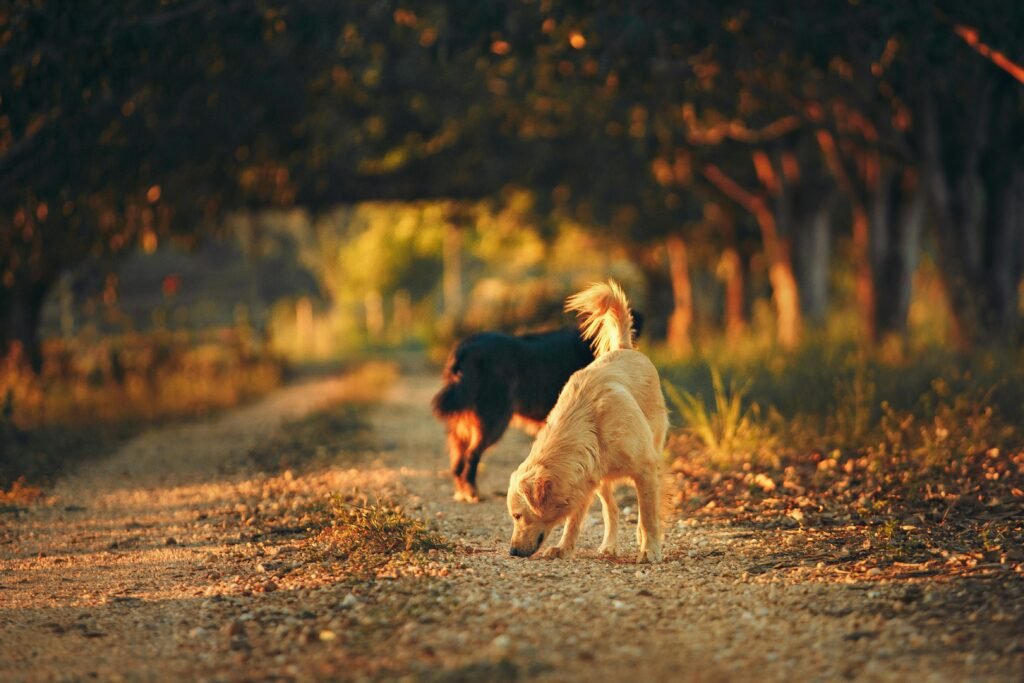
Dog Training & Exercise (Vet-Approved Tips for Balanced Dogs – 2025)
At Wild Pooch, we believe that dog training & exercise are key for a happier, healthier, and more balanced companion. Every dog has unique physical and mental needs depending on their breed, age, size, and personality. That’s why we create in-depth, honest guides focused on dog training and exercise to help dog parents understand exactly what their dogs need to thrive.
This hub covers everything from daily exercise requirements to training tips, calming solutions, behavior support, and enrichment ideas. All of our recommendations are based on real research, vet-supported knowledge, and practical techniques that work in real life — not just theory.
Whether you’re training a high-energy puppy, managing a reactive dog, or supporting a calm senior, this page will guide you toward healthier habits and a stronger bond with your dog.
Why Training and Exercise Matter for Dogs
Training and physical activity are essential parts of a dog’s overall well-being. Without enough exercise and mental stimulation, dogs can develop destructive behaviors, anxiety, weight gain, poor social habits, and even physical health problems.
Proper training and exercise can help your dog:
- Burn off excess energy
- Improve focus and obedience
- Reduce anxiety and boredom
- Maintain a healthy weight
- Strengthen muscles and joints
- Improve social skills
- Build trust and communication with you
- Develop healthy routines
Even a well-fed dog can become unhappy if their mind and body are not challenged daily. That’s why training and exercise go hand-in-hand with nutrition when it comes to raising a healthy dog.
How Much Exercise Does a Dog Really Need?
There is no “one size fits all” answer to this question, which is why we break exercise guidelines down by:
- ✅ Breed type
- ✅ Age (puppy, adult, senior)
- ✅ Size (small, medium, large)
- ✅ Energy level
- ✅ Health conditions
Some dogs may need only 30–45 minutes of light activity daily, while others may require 1.5–2 hours of intense exercise, stimulation, and structured play.
We focus on:
- Daily walking needs
- Playtime and enrichment
- Mental stimulation games
- Breed-specific requirements
- Safe exercise for puppies and seniors
- Weather & safety considerations
This ensures dog parents don’t accidentally under-exercise OR over-exercise their dogs.
Types of Training & Activities We Cover
On WILDPOOCH, our dog training & exercise guides include:
- Basic obedience training (sit, stay, recall)
- Leash training for pullers
- Crate training for puppies
- Socialization tips for new dogs
- Anxiety and calming techniques
- Enrichment games for boredom
- High-energy dog workout routines
- Mental stimulation through toys & puzzles
- Training routines for small and large breeds
With these training tips, our goal is to make training simple, achievable, and realistic for everyday dog parents.
-For additional guidance on safe training and exercise recommendations, visit the American Kennel Club (AKC) training resources.
Our Dog Training & Exercise Guides (Reviewed & Tested)
Below are the current resources that fall under this training & exercise hub:
🏃♂️ Physical Activity & Breed Needs
- How Much Exercise Does Your Dog Really Need? (Vet Tips by Breed)
A complete breakdown of exercise requirements by breed type and energy level.
🧘 Calm, Focus & Behavior Support
- CBD Oil for Dogs: Safe Dosage & Vet-Approved #1 Guide
Used for calming anxiety, improving focus, and reducing stress in some dogs.
Common Dog Training & Exercise Mistakes
Many dog parents accidentally slow down training progress by making these common mistakes:
- Being inconsistent with commands
- Expecting instant results
- Skipping daily practice
- Using punishment instead of guidance
- Forgetting mental stimulation
- Over-exercising puppies
- Under-exercising high-energy breeds
- Not building routine or structure
At Wild Pooch, we promote gentle, consistent, reward-based training techniques that strengthen the bond between dogs and their humans.
Simple At-Home Dog Training & Exercise Tips
Here are a few starter tips you can implement immediately:
- Set a daily routine for walks & training
- Use positive reinforcement (treats & praise)
- Keep sessions short but consistent (10–20 minutes)
- Change walking routes for mental variety
- Incorporate puzzle toys and sniffing games
- Make training part of everyday life
- Be patient — progress takes time
These simple steps can greatly improve your dog’s behavior, focus, and overall happiness.
Upcoming Dog Training & Exercise Guides
We are currently working on:
- Best leash training methods for beginners
- Easy training tips for first-time dog owners
- Puppy training schedule by age
- Best exercise for anxious or reactive dogs
- Mental stimulation games for bored dogs
- Senior dog mobility and joint exercises
These articles will be linked here as soon as they are published to strengthen this hub.
Final Thoughts on Dog Training & Exercise
Dog training & exercise are two of the most powerful tools for raising a happy, confident, and balanced dog. They not only improve behavior, but also create stronger communication between you and your pet. Dogs that are mentally and physically stimulated are less likely to develop destructive habits and more likely to live long, fulfilling lives.
At Wild Pooch, we aim to support dog parents through every step of this journey — from puppyhood to senior care. We will continue to grow this hub with helpful, honest, vet-supported content so you can always feel confident in how you care for your dog.